- 40 Colors Total of 1600 Yards Crochet Yarn: This fantastic value 100% acrylic yarn pack contains 40 very wide range of c…
- 1 Storage Bag: Storage knitting tote bag with one side transparent(PVC), waterproof and lightweight, enough space to kee…
- 73PCS Crochet Hook Kit:Come with 73 Pack Crochet Hook Kit which includes everything you need to crochet. 9 Ergonomic cro…
Understanding Crochet Basics
Crocheting is an ancient craft that entails using a hooked tool to interlink yarn into fabric. This versatile technique allows for the creation of an array of items, ranging from fashionable garments to functional home decor. By manipulating yarn with a crochet hook, individuals can produce unique designs, patterns, and textures that speak to their personal style and creativity.
At its core, crochet involves a series of interlocking stitches, which can be combined in various ways to yield different results. As such, the fundamental understanding of different types of stitches is critical for anyone looking to embark on a crocheting journey. Mastering basic stitches, such as chains, single crochet, and double crochet, forms the foundation upon which more complex projects can be built. Starting with simple patterns or beginner tutorials can significantly enhance the learning experience, making it more enjoyable and less intimidating for novices.
The applications of crocheting are as diverse as the projects one can undertake. From cozy blankets and intricate doilies to stylish scarves and hats, the possibilities are seemingly endless. In addition to the tangible outcomes of this craft, crocheting has been recognized for its therapeutic benefits. Engaging in this hands-on activity can foster mindfulness, allowing individuals to focus and channel their energy positively. Many find solace and satisfaction in creating handmade items, as each stitch brings them closer to a finished piece infused with their personal touch.
Embracing crocheting as a hobby not only enhances creativity but also provides a fulfilling avenue for stress relief and self-expression. By delving into crochet basics, beginners can set the stage for a rewarding crafting experience that fosters both skill development and artistic growth.
Essential Supplies for Beginners
If you are considering embarking on a crocheting journey, having the right supplies is crucial to your success and enjoyment. Below, we outline the five essential items needed to begin crocheting, with a focus on how to choose the best materials based on your skill level and project type.
First and foremost, the primary tool you will need is a crochet hook. Crochet hooks come in various sizes and materials, including aluminum, wooden, and plastic. Beginners are often advised to start with a medium-sized hook, such as a 5mm (H-8) or 6mm (J-10), as these sizes work well with most worsted weight yarns. Ergonomic hooks can also provide added comfort, particularly during longer crocheting sessions.
Next, the choice of yarn is significant in ensuring a smooth crocheting experience. Yarn is available in numerous fibers, ranging from natural options like cotton and wool to synthetic choices like acrylic. For beginners, acrylic yarn is often recommended due to its affordability, wide availability, and ease of handling. Additionally, opting for a medium-weight yarn will allow for better visibility of stitches and serve as a versatile option for various projects.
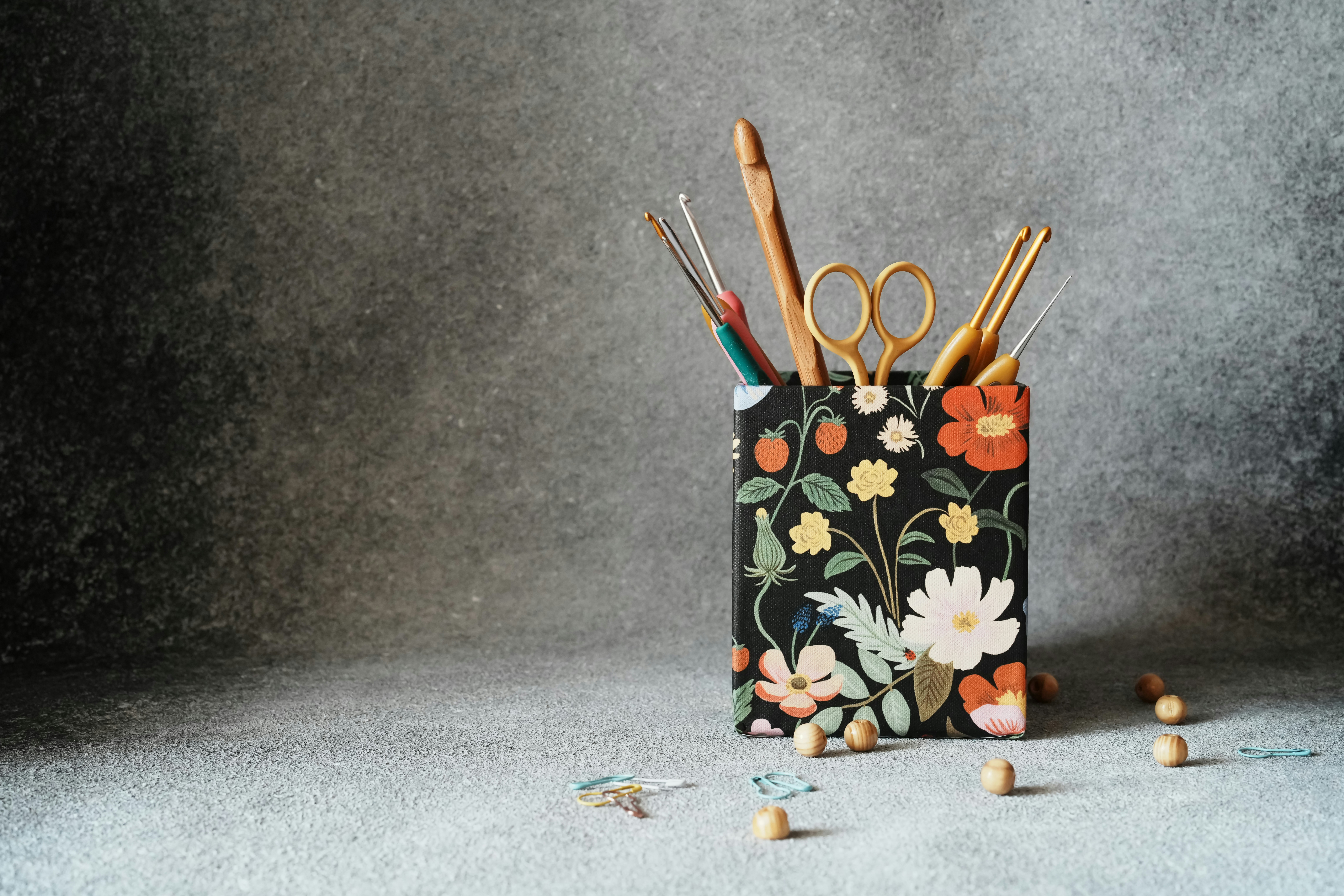
In addition to yarn and hooks, other vital tools include scissors for cutting yarn, a yarn needle for weaving in ends, and stitch markers to keep track of your progress. Scissors should be sharp and comfortable to hold, while a yarn needle—typically a tapestry needle with a large eye—will help you finish off projects neatly. Stitch markers can be essential for more complex patterns, helping to mark stitches or rows.
Lastly, investing in a pattern or instructional book can greatly enhance your crocheting skills. Beginners should select patterns that are specifically designed for novice crafters, as these often include clear instructions and straightforward techniques. With the right supplies, you will be well-equipped to embark on your crocheting adventure and develop your skills over time.
Where to Find Materials and Resources
When embarking on your crocheting journey, sourcing the right materials and resources is essential for success. In today’s digital age, there is a multitude of options available for obtaining crocheting supplies, both online and in local stores. For those who prefer the convenience of shopping online, websites like Amazon, Etsy, and specialized craft retailers such as Michaels and Joann Fabrics offer extensive selections of yarn, hooks, and patterns. These platforms often feature user reviews, allowing you to compare products and make informed decisions.
For a more hands-on experience, visiting local craft shops can be beneficial. These establishments not only stock a variety of yarns in different textures and colors, but often hold workshops and classes that can enhance your crocheting skills. Engaging with local communities can also provide valuable insights and tips from experienced crafters. Additionally, checking your town’s bulletin boards or social media groups may reveal community events related to crocheting.
In terms of learning resources, numerous books are available that cater to various skill levels. Recommended titles include “The Complete Beginner’s Guide to Crochet” and “Crochet for the Absolute Beginner,” both of which provide step-by-step instructions and patterns. Moreover, online platforms such as YouTube feature countless tutorials that visually guide beginners through different techniques and projects, enabling them to learn at their own pace. Websites like Ravelry also serve as excellent resources, offering an online community where crocheters can share patterns, advice, and inspiration.
By utilizing both online and local resources effectively, beginners can find the materials and knowledge necessary to develop their crocheting skills. This comprehensive approach not only enhances one’s crafting experience but also fosters a deeper appreciation for this timeless craft.
Tips for Starting Your Crocheting Journey
Beginning your crocheting journey can be both exciting and daunting. As a novice, it’s essential to select your first project wisely. Choose something simple, such as a scarf or a dishcloth, which will allow you to learn the basic stitches without feeling overwhelmed. As you gain confidence in your abilities, you can gradually tackle more complex patterns. Keep in mind that starting small not only helps you build skills but also sets a solid foundation for future projects.
Patience and practice are crucial components of mastering crocheting. Like any new skill, crocheting requires time to develop proficiency. Don’t become disheartened by mistakes; they are a part of the learning process. Understanding that your crocheting skills will improve with practice is vital in maintaining motivation. Also, consider setting aside time for regular practice to instill this habit into your routine, making progress more manageable.
Joining a crocheting community can significantly enhance your experience. Whether through online forums or local groups, engaging with fellow crocheters allows you to share ideas and seek advice. These communities often serve as an excellent source of inspiration, showcasing projects others have created and encouraging you to explore new patterns or techniques. Additionally, connecting with experienced crocheters can provide valuable insights into overcoming challenges that you may face, such as knots, tensions, or pattern difficulties.
Most importantly, remember that crocheting should be enjoyable. Allow yourself to experiment with various yarns and stitches; discovering your preferences can enhance your creativity. If you encounter frustrations along the way, take a breather and return with fresh eyes. The joy of crocheting lies in both the process and the product, so embrace every stitch as part of your unique crafting journey.